01 / 06 · Ochre
Compass.
Says it plainly
Placeholder: a one-line teaser for this signature.
How it works
Placeholder: one line on the premise. MeshX shows a team its shape, then helps it work with it.
ScrollChapter I · The signatures
Placeholder: six signatures. Everyone carries all six; most lead with one or two.
Says it plainly
Placeholder: a one-line teaser for this signature.
Asks the question
Placeholder: a one-line teaser for this signature.
Thinks long-term
Placeholder: a one-line teaser for this signature.
Reads the room
Placeholder: a one-line teaser for this signature.
Challenges ideas
Placeholder: a one-line teaser for this signature.
Steady in conflict
Placeholder: a one-line teaser for this signature.
Chapter II · The map
Placeholder: put everyone's signatures side by side and a picture of the whole team appears.
Illustrative team · not real results
Chapter III · The process
Placeholder: five steps over roughly four weeks, from the first question to the last conversation.
Placeholder: sign and scope.
Placeholder: assess and listen.
Placeholder: the readout.
Placeholder: the event and debrief.
Placeholder: what each person does, how long it takes, and that it happens on their own time.
Placeholder: what the assessment is designed to read.
Placeholder: number of behaviors rated.
Placeholder: the slider scale.
Placeholder: time per person.
Placeholder: interviews with leaders, managers and the people who know where the friction lives.
Placeholder pull quote: the assessment reads how people move; the conversations show what happens between them.
Placeholder: the written read, where the team is strong, where it gets stuck, and the conversations it isn't having yet.
Placeholder: a designed room for the team, structured around what the diagnostic surfaced. Offsite, hosted, three to four hours.
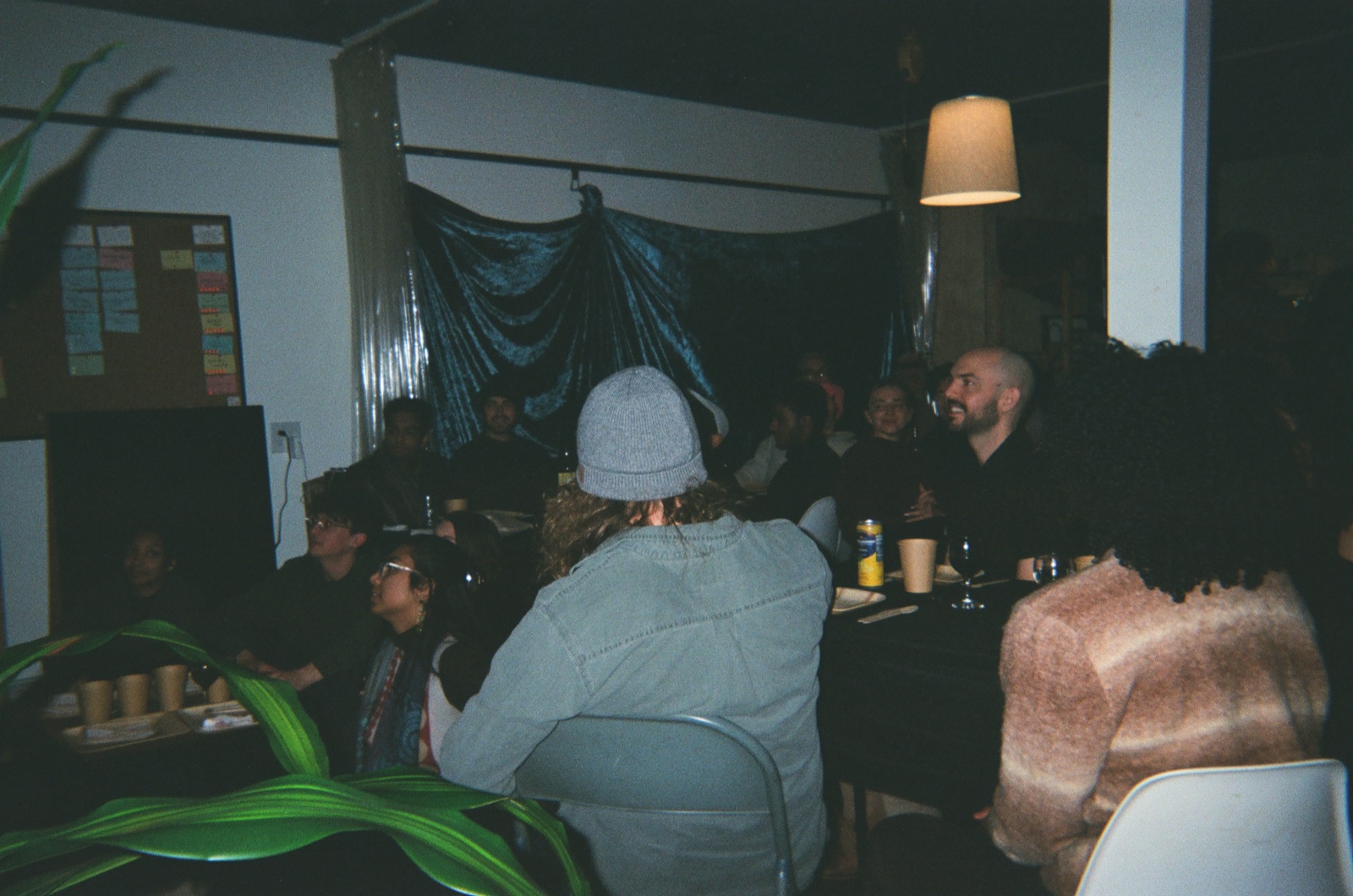
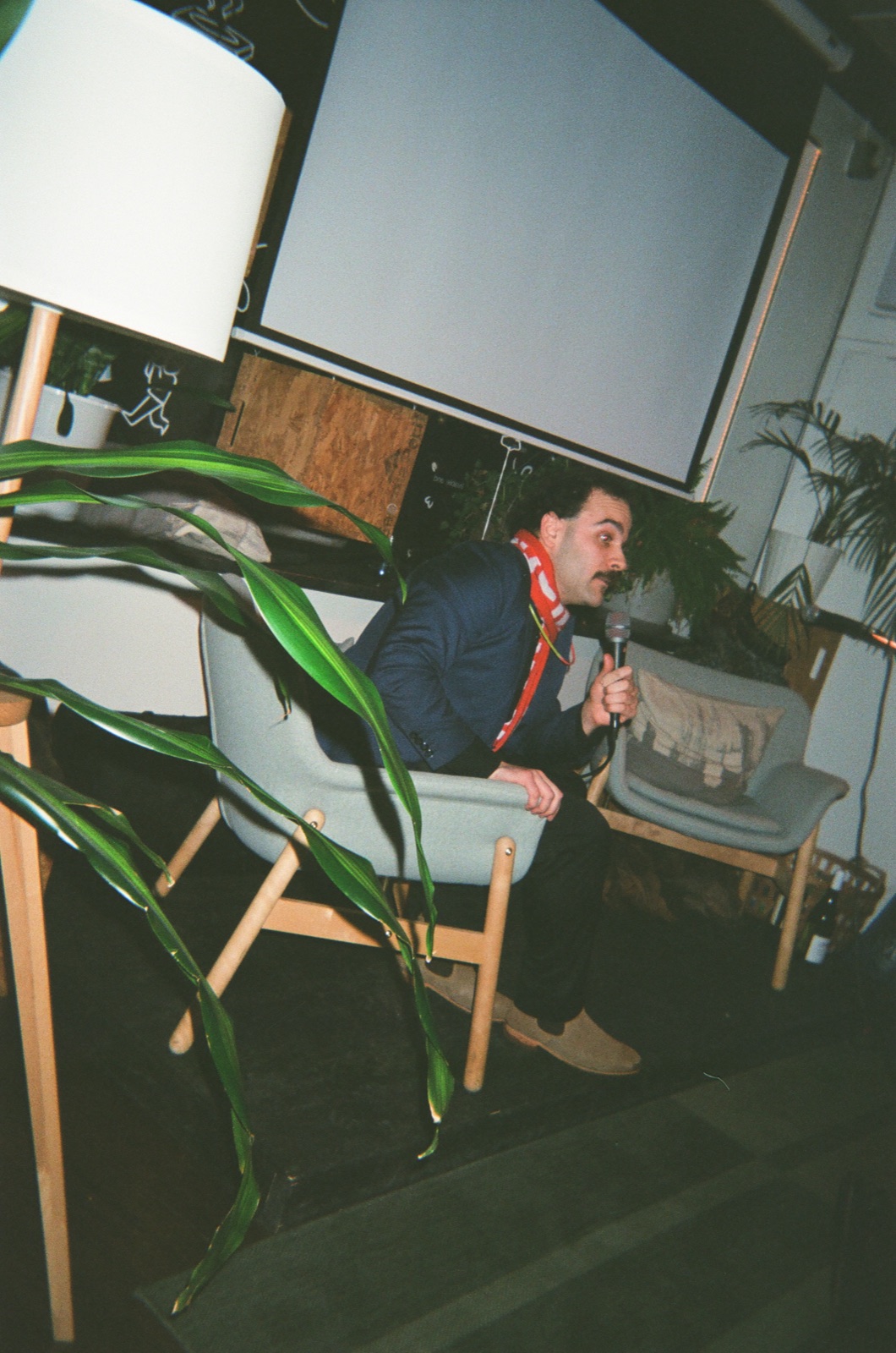
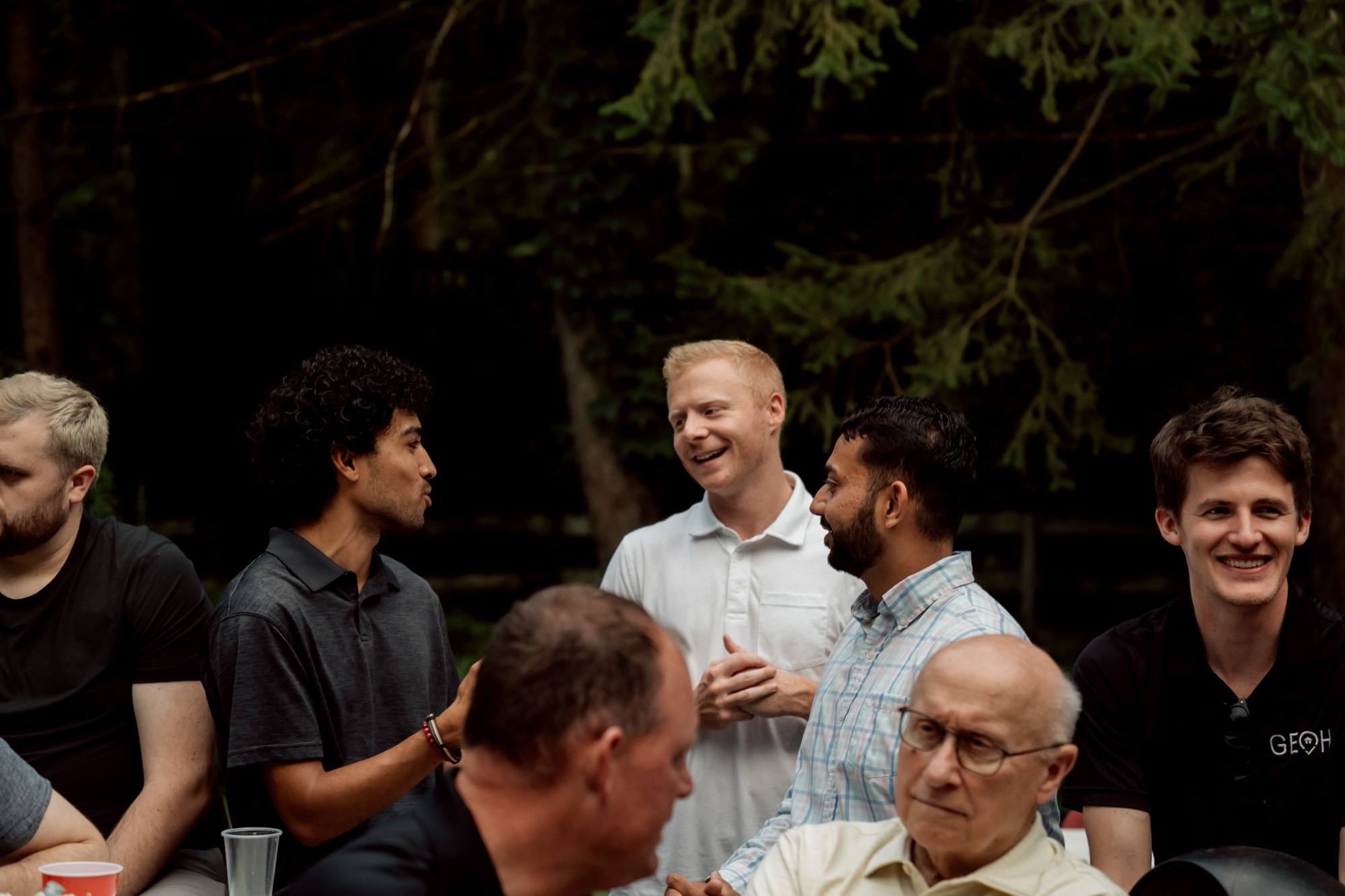
Placeholder: results and the room become next steps for the team.
Placeholder: "You leave with a plan, not a feeling."
Chapter IV · What you keep
Placeholder: your team, drawn two ways. Select one to bring it forward.
The Field Map
Two versions
| Deliverable | Tier 00Self-Serve | Tiers 01 to 03Facilitated |
|---|---|---|
| Team Communication Map | Short | Extended |
| Field Map | Short | Extended |
| Individual profiles | Short | Extended |
| Discussion or workshop guide | Short | Extended |
| Interviews with the team | ||
| Facilitated readout and event |
Chapter V · What stays private
Placeholder: how individual results are protected.
Placeholder: individual answers stay internal by default.
Placeholder: leadership sees the team read, not individuals.
Placeholder: never used for hiring, promotion or performance.